UI and UX for Real Software, Not Campaigns
Instrument Alternative
Looking for an Instrument alternative that prioritizes product results instead of brand campaigns? Parallel gives you a dedicated design team focused on product utility, user clarity, and long-term retention. No big creative programs. Just steady product improvement.











Why Product Teams Choose Parallel as Their Instrument Alternative
Instrument delivers strong creative work tied to brand stories and marketing. That’s helpful for campaigns, but software teams need designers who understand flows, interaction patterns, and long-term usability.
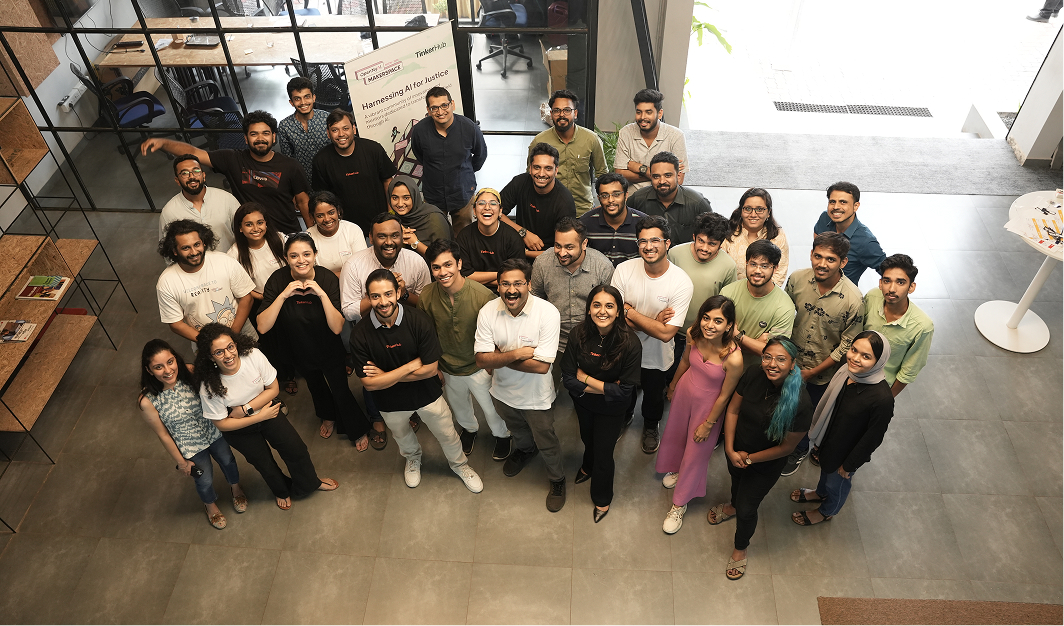
Parallel gives you product designers who work inside your sprint rhythm and focus on what keeps users engaged.
Designers focused on product utility, not brand stories
Strong UX for web apps and mobile tools
Direct collaboration with engineering
Clear pricing without creative overhead
Product UX vs. Campaign-Driven Creative Work
Instrument’s model is shaped around brand campaigns, creative direction, and marketing programs. Product teams often need practical UX that solves daily usage problems and supports feature growth.
Direct access to product designers
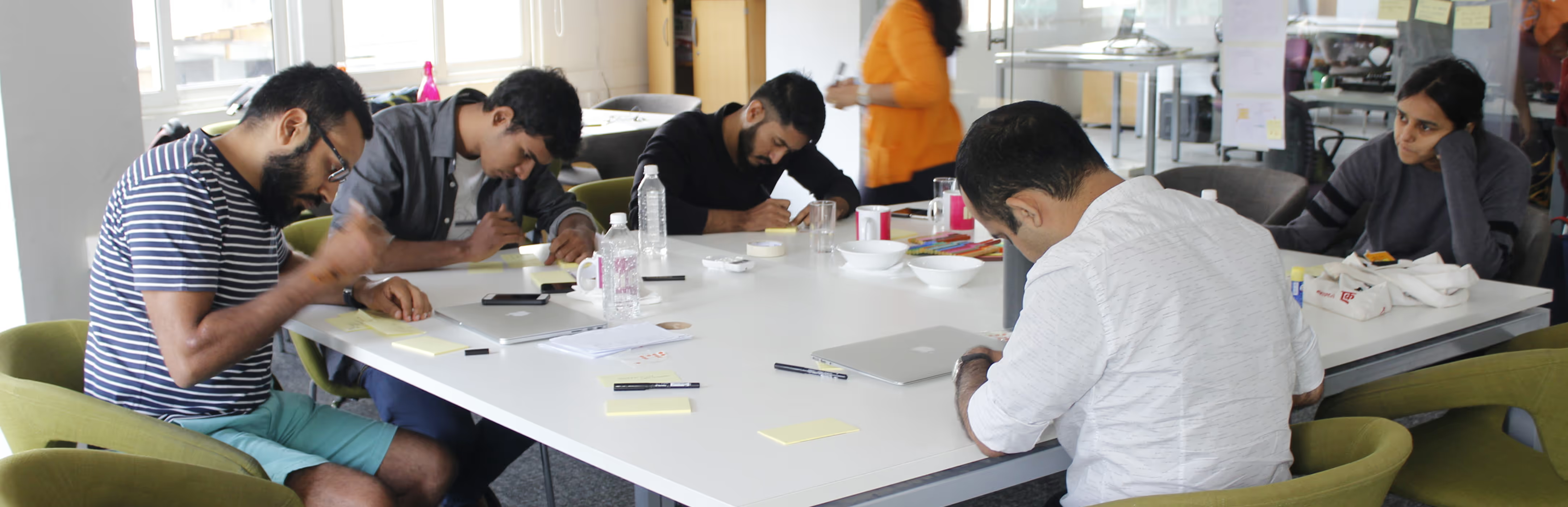
You talk to the people building the actual screens. No extra layers.
Focus on software utility
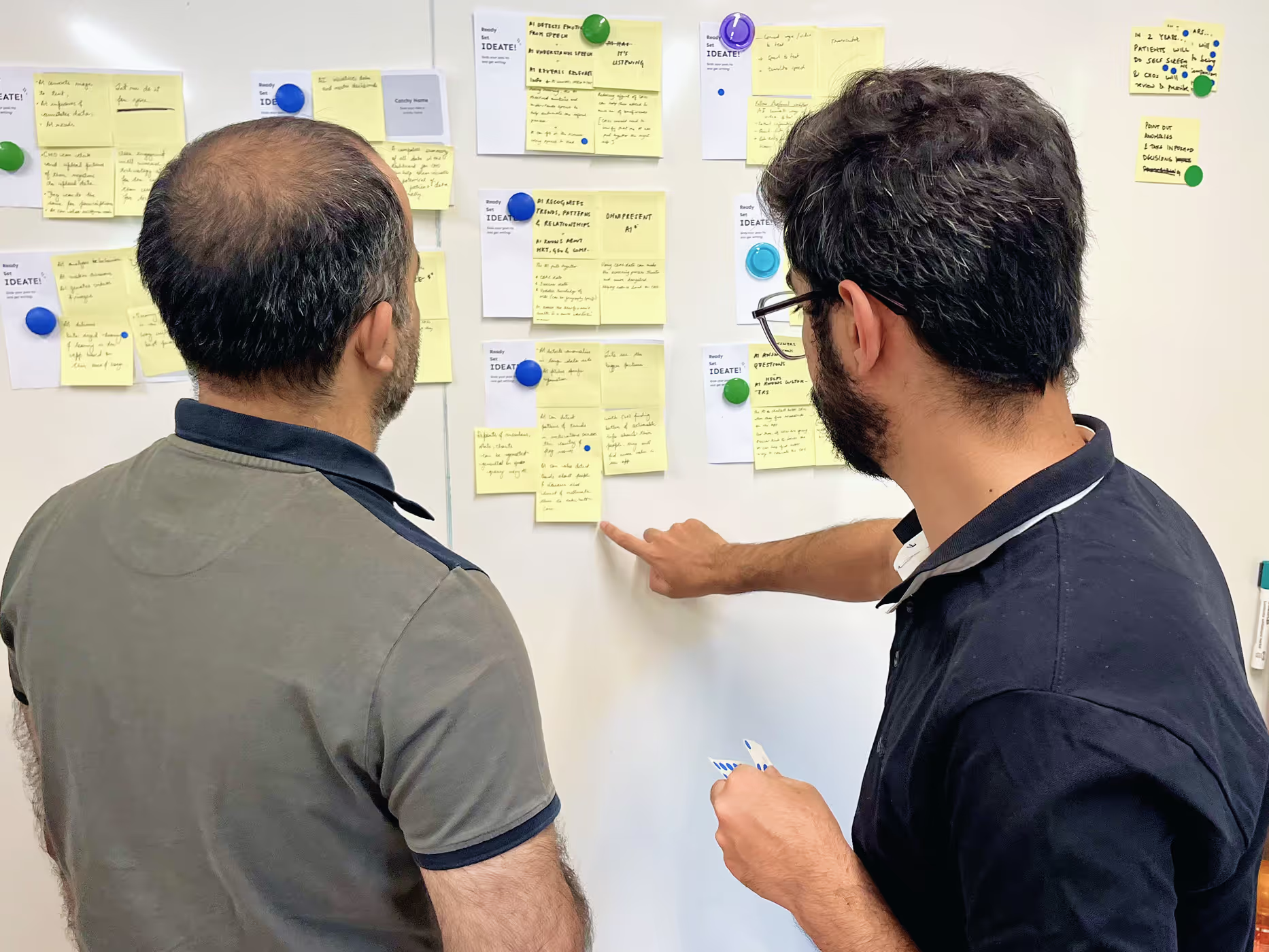
We design dashboards, flows, onboarding, and interface logic that supports real usage and retention.

Short cycles
We move from idea to prototype quickly and adjust based on real feedback, not long creative reviews.
How Parallel Improves Product Utility
Parallel gives you a senior team focused on UI, UX, and interaction design that supports long-term product use.
We review your product, analytics, support feedback, and usage patterns. Then we begin improving screens right away.
Work happens in your Figma space. We test flows, refine interactions, and stay aligned with your engineers.
Design engineers help turn designs into components that fit your stack so work lands cleanly in development.
Built for Software Teams That Want Results
Product teams grow when users stick around. That takes clear UX, well-structured flows, and continuous improvement.
We connect design decisions to product metrics and customer feedback.
We build and maintain design systems that improve speed and consistency.
We run usability checks and watch friction points to guide updates that support retention.
Parallel designers understand constraints, states, and what engineers need to build fast.
Simple Engagement
Without Creative
Studio Layers
Instrument’s model includes creative direction, campaign planning, and brand services. Parallel keeps things focused on product outcomes.
Your designers work only on your product during the engagement.
Start small and expand as features or releases demand.
You pay for active product work, not campaign overhead.
Progress shows up in shipped screens, better flows, and improved user activity.
“Parallel's design sprints allowed us to involve and engage all stakeholders in the project - even those with no product or design background, which was a big plus for us”

“Parallel made it a point to understand the product and the impact they have or should have. They worked patiently with our in-house teams of Product, Design and Engineering, without the slightest hint of friction.”


“Parallel was excellent in helping us bring our vision to life. The quick iterations done in parallel with user testing let us try a lot of things in order to get to our beta. We're so grateful for their team.”


“Finding designers who have the talent and drive to match a founder’s vision is rare, consider this a PSA! If you’re building B2B SaaS, you want them on your shortlist.”

FAQs
